
Travels
A Journey That Shaped the Work
Some places enter you quietly and never leave.
To the Roof of the World
In the fall of 1988, I traveled to Tibet, Nepal, and India, a trip that turned me inside out and onto a new path in life. Something inside of me wanted to change, and such a journey was calling my soul. It became foundational for my choices, studies, and artistic expression in the years to come.
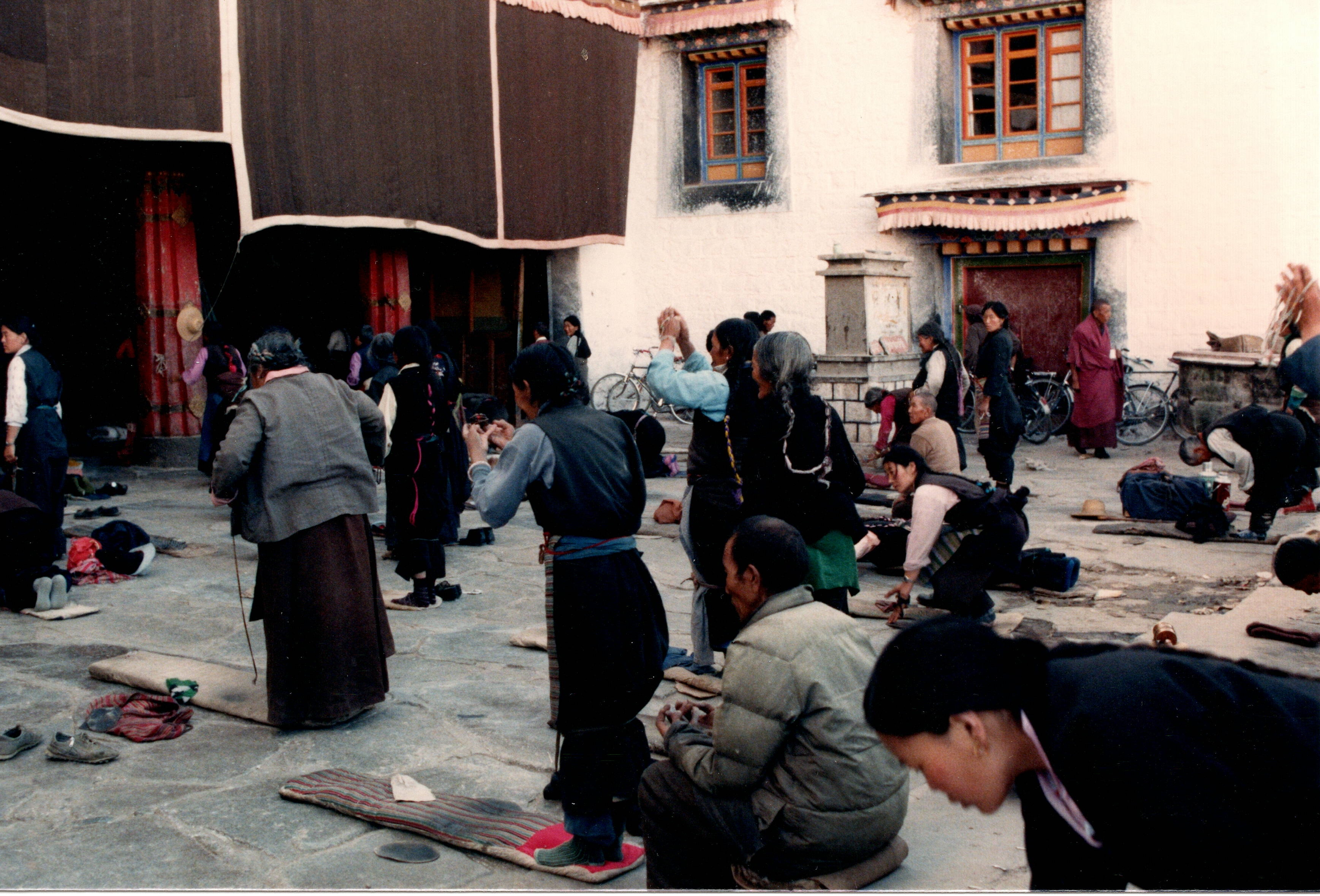
My companions and I arrived in the fabled city of Lhasa at the beginning of a Buddhist holy week, with the Barkhor Square bustling with pilgrims and vendors and the Jokhang Temple filled with monks and nuns. Our guides showed us the city environs the first day, and on day two they led us through the narrow corridors, steep stairwells, and meditation chambers of the Potala Palace, the ancestral home of His Holiness the Dalai Lama. We whispered in awe the entire way. So much to see and more to savor, but by day three I knew I wanted to spend the rest of the week inside the Jokhang.
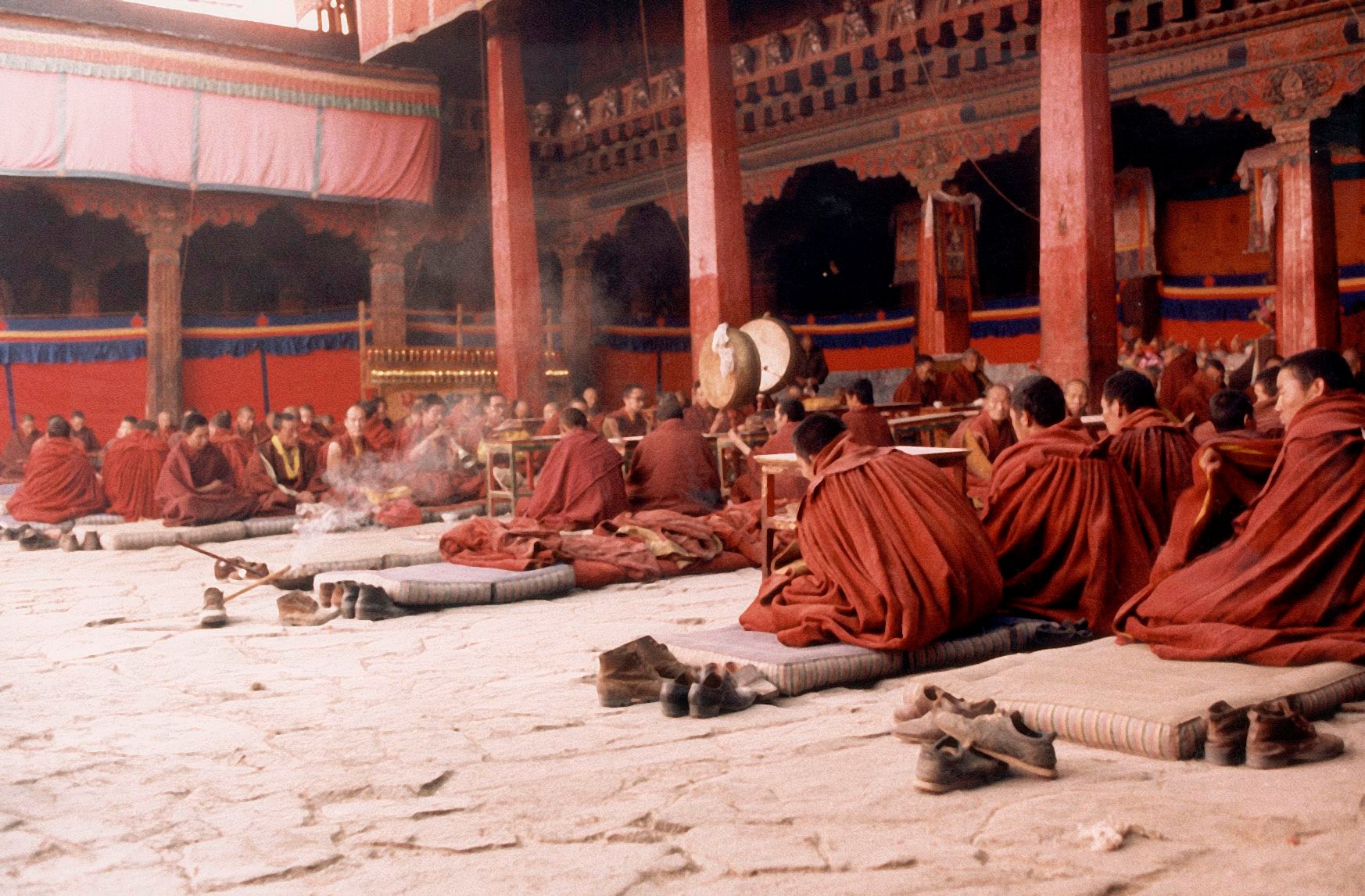
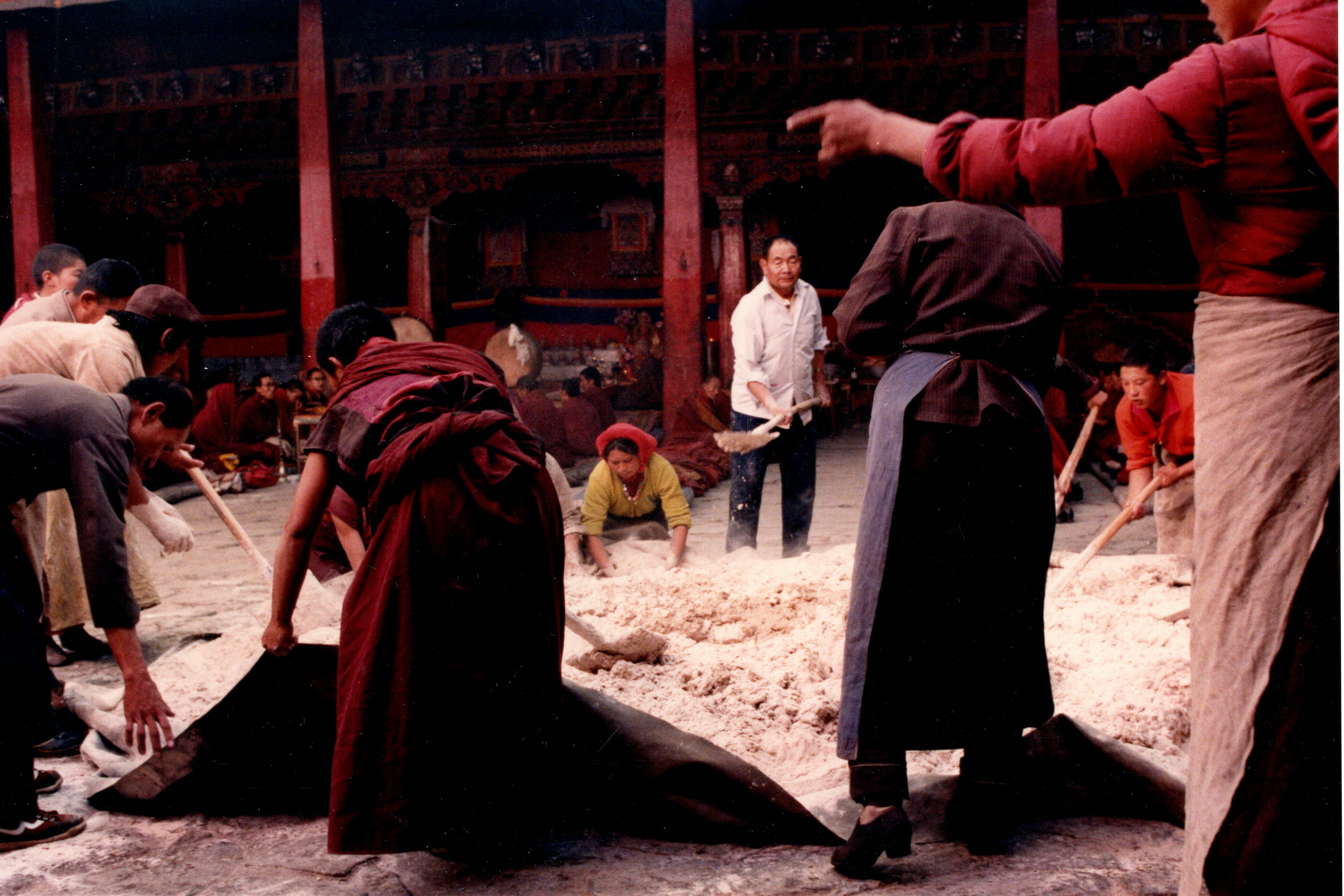
Inside the main hall, monks were seated in rows on their cushions chanting sutras while women and men stirred mounds of barley flour with yak butter on large tarps. They were making tsampa bricks for building an altar, which by week’s end was chest high and reached across the room. Butter lamps flickered on top. Visitors were welcome to wander about, so I would find a spot in a corner or in the balcony rafters where I could watch the festivities and chant along. I can still hear the deep resonant voices and smell the aromatic, woodsy incense that filled the air.
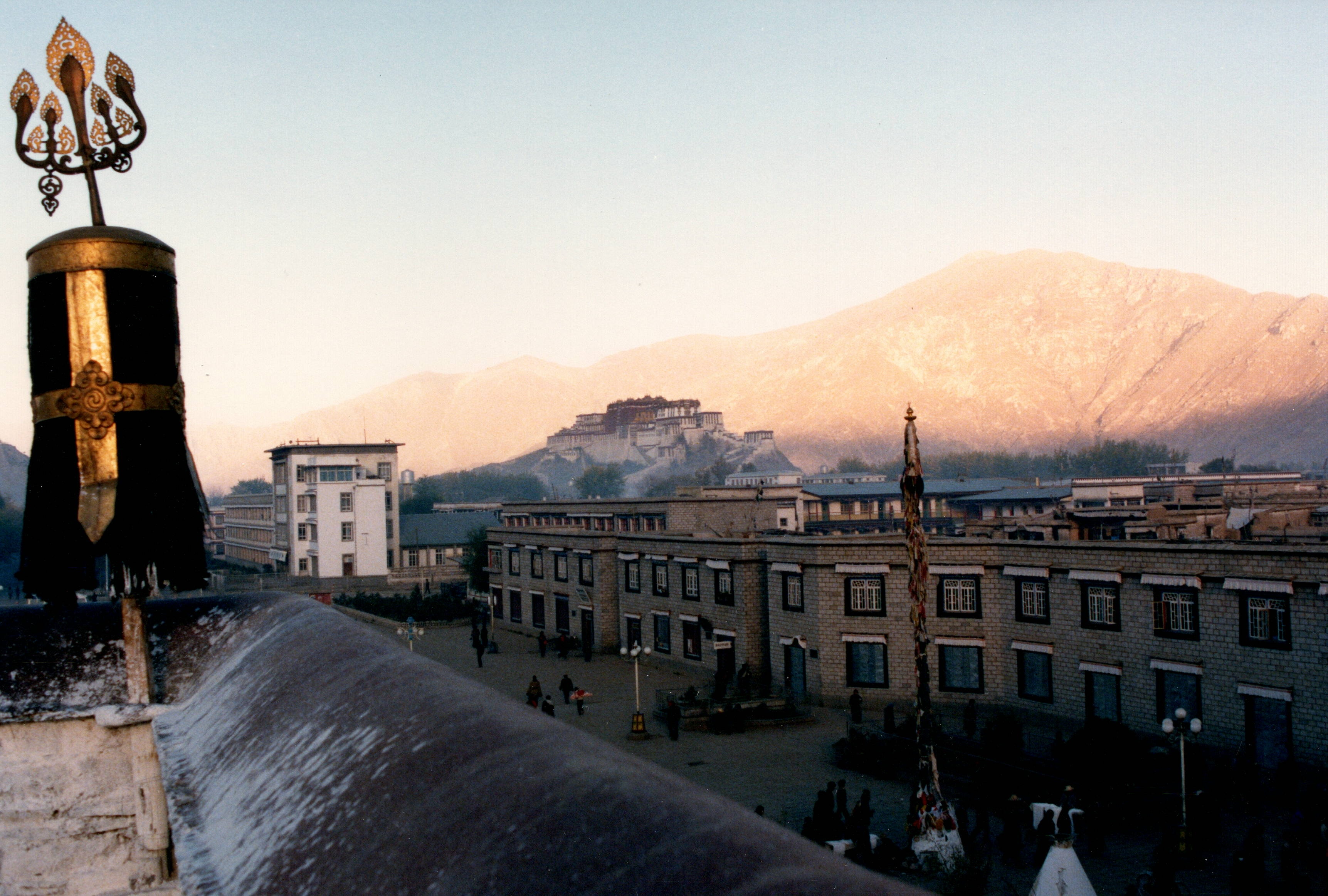
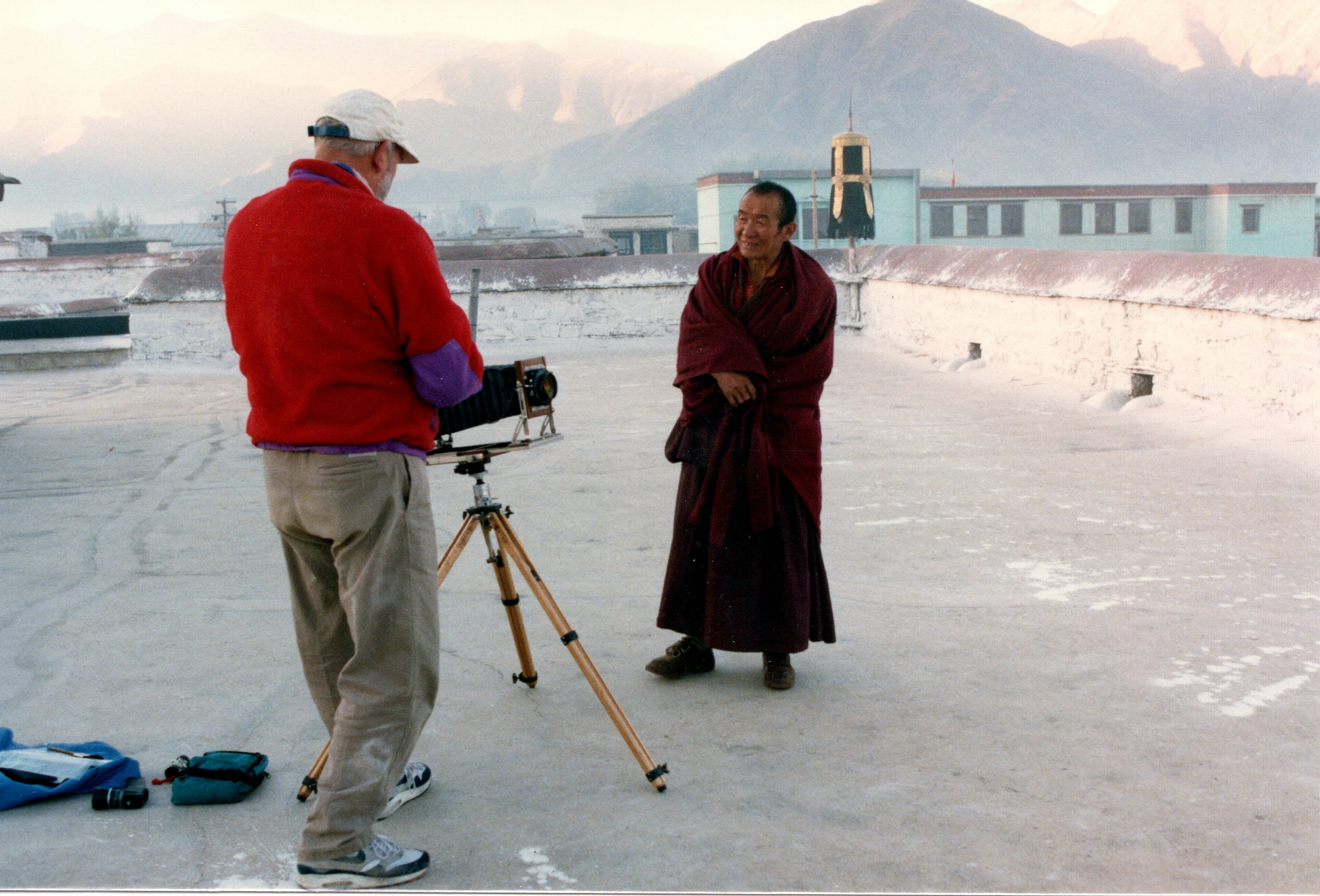
The last afternoon, a senior monk proudly escorted my friend Jack and me up a back staircase onto the roof for a panoramic view of the Potala in the distance and the city that stretched out below. He was as intrigued with us as we were delighted with him and this unexpected invitation. We stayed together for an hour or two, conversing as best we could, taking it all in (and a few pictures, too), on the roof of a temple on the “roof of the world.” I felt I had slipped through a moment in space and time, and I didn’t want to leave. It was a magical ending to one of the happiest weeks of my life.
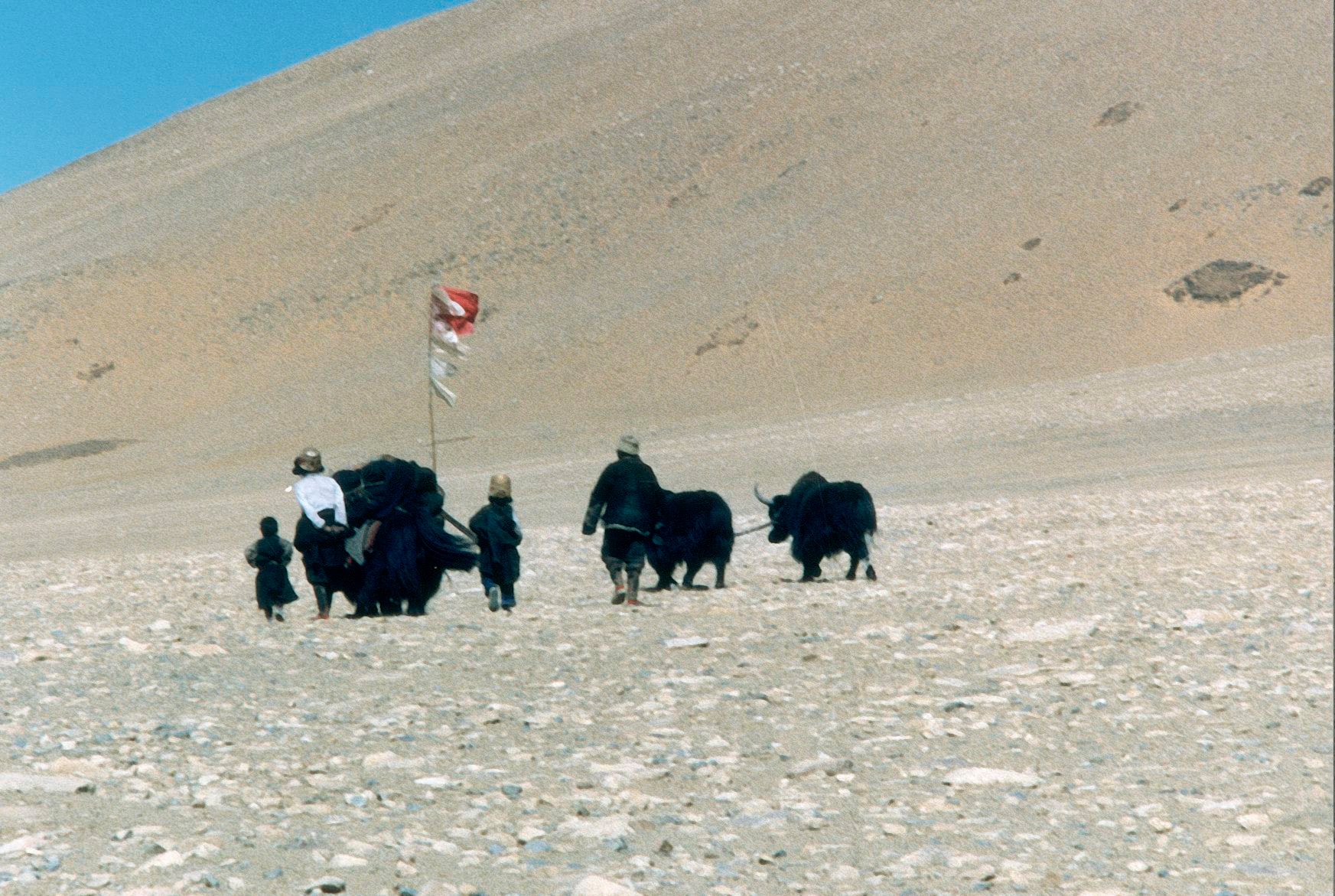
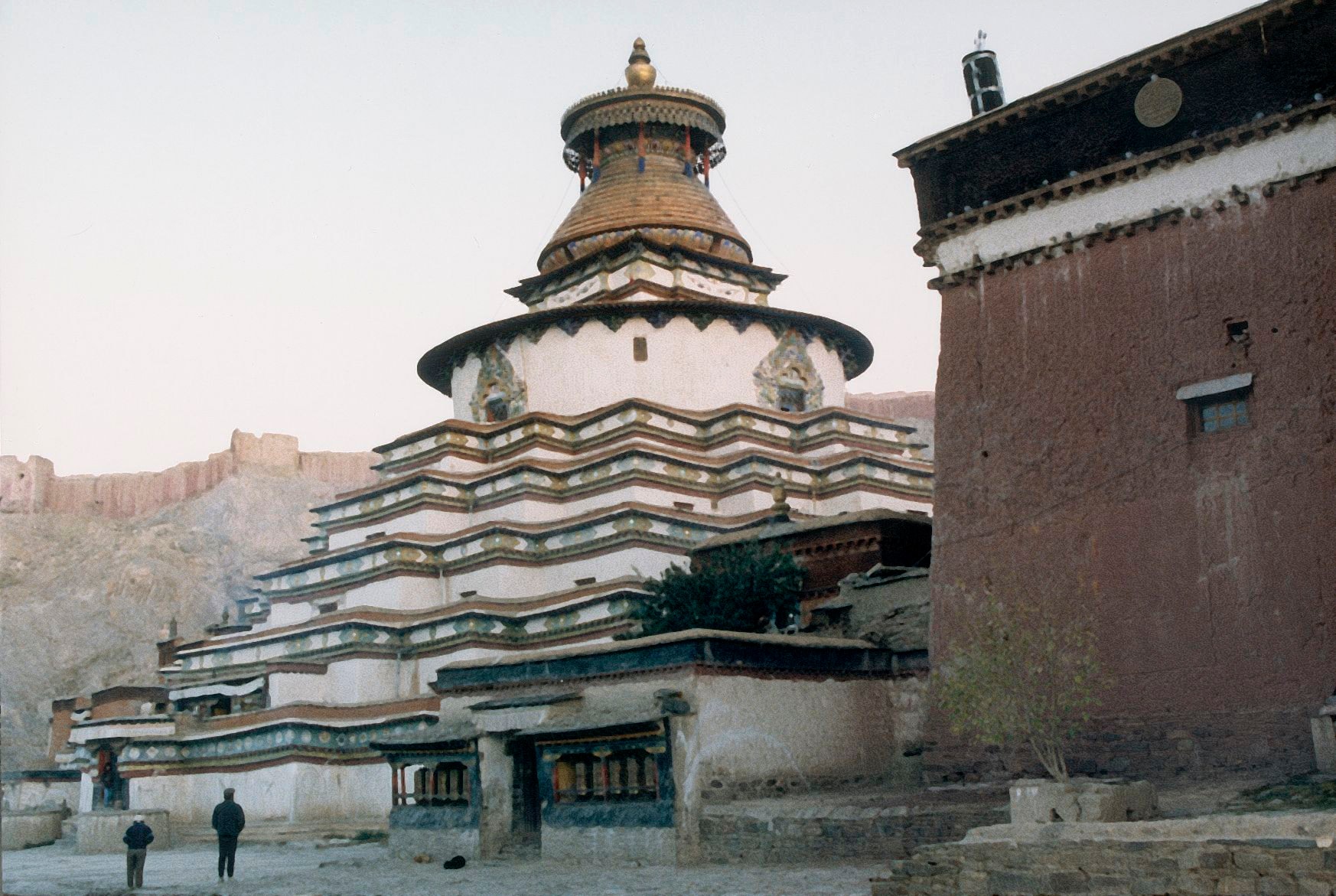
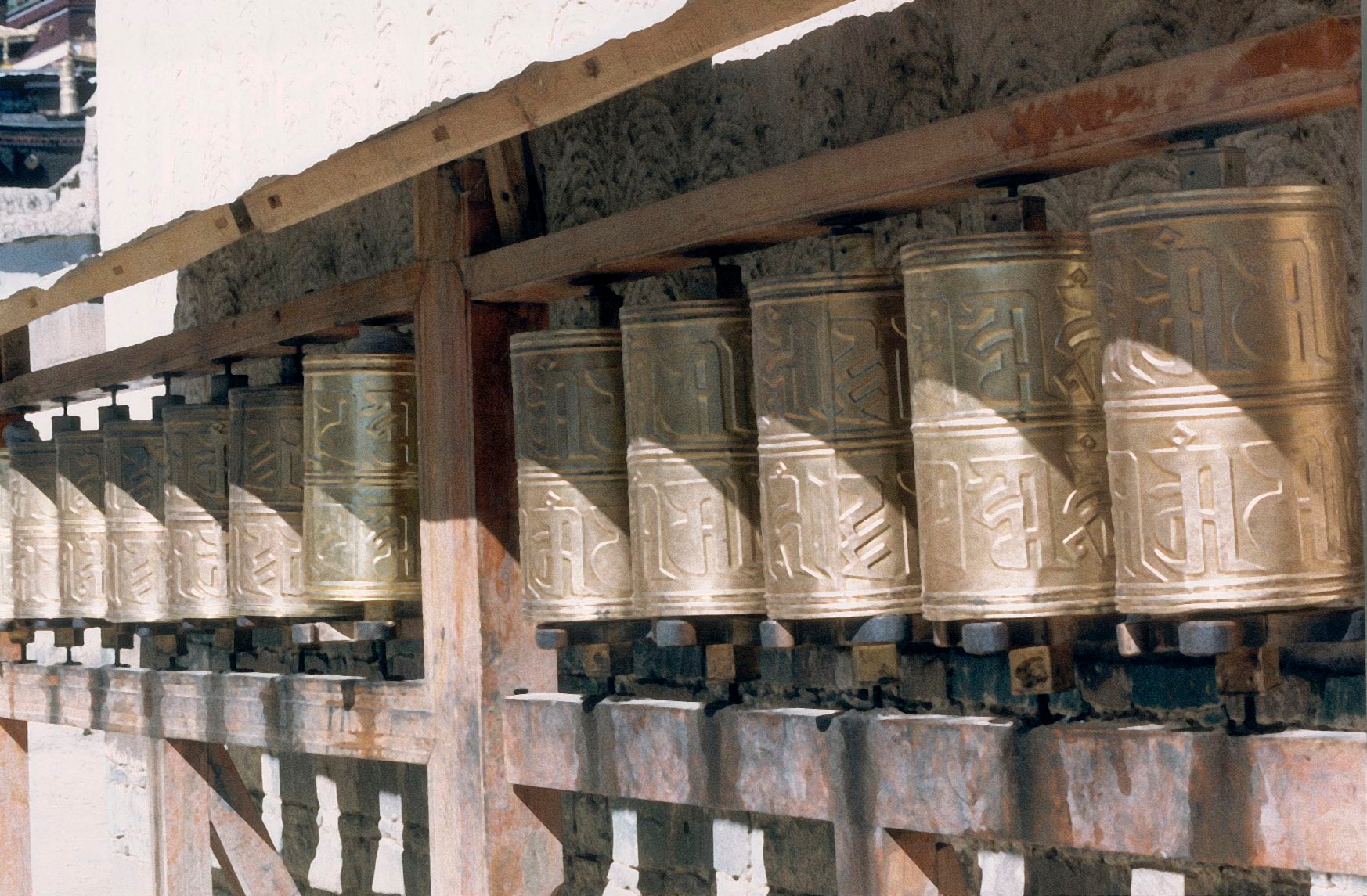
But the road to Kathmandu beckoned, so for the next seven days my companions and I travelled overland with our Tibetan guides, visiting sacred monasteries, chortens, and stupas along the way, and somewhere on the highTibetan plateau my inner compass was recalibrated. The stillness of the vast, arid landscape, the majesty of the Himalayas, the turquoise intensity of the glacial lakes, and the presence of the monasteries took my breath away every day. We stayed in a guest house or simple hotel each night, and one morning we enjoyed a cup of salty yak butter tea and hospitality in a private family home. The villagers, monks, and nuns we met imprinted themselves forever in my heart.
Eventually, the road led us to the lush valleys of Nepal. By the time we reached the border, heavy rains had washed out the road, so we traveled the last stretch by foot, with porters helping with duffels and gear until we met up with our Nepali guides, who drove us in open-air jeeps to Kathmandu. I felt like a kid again as we wound our way down through the forests, gorges, and countryside and into one of the oldest cities in the world. It captivated me at first sight, and once again, at the end of the week, I didn’t want to leave. I felt so at home.
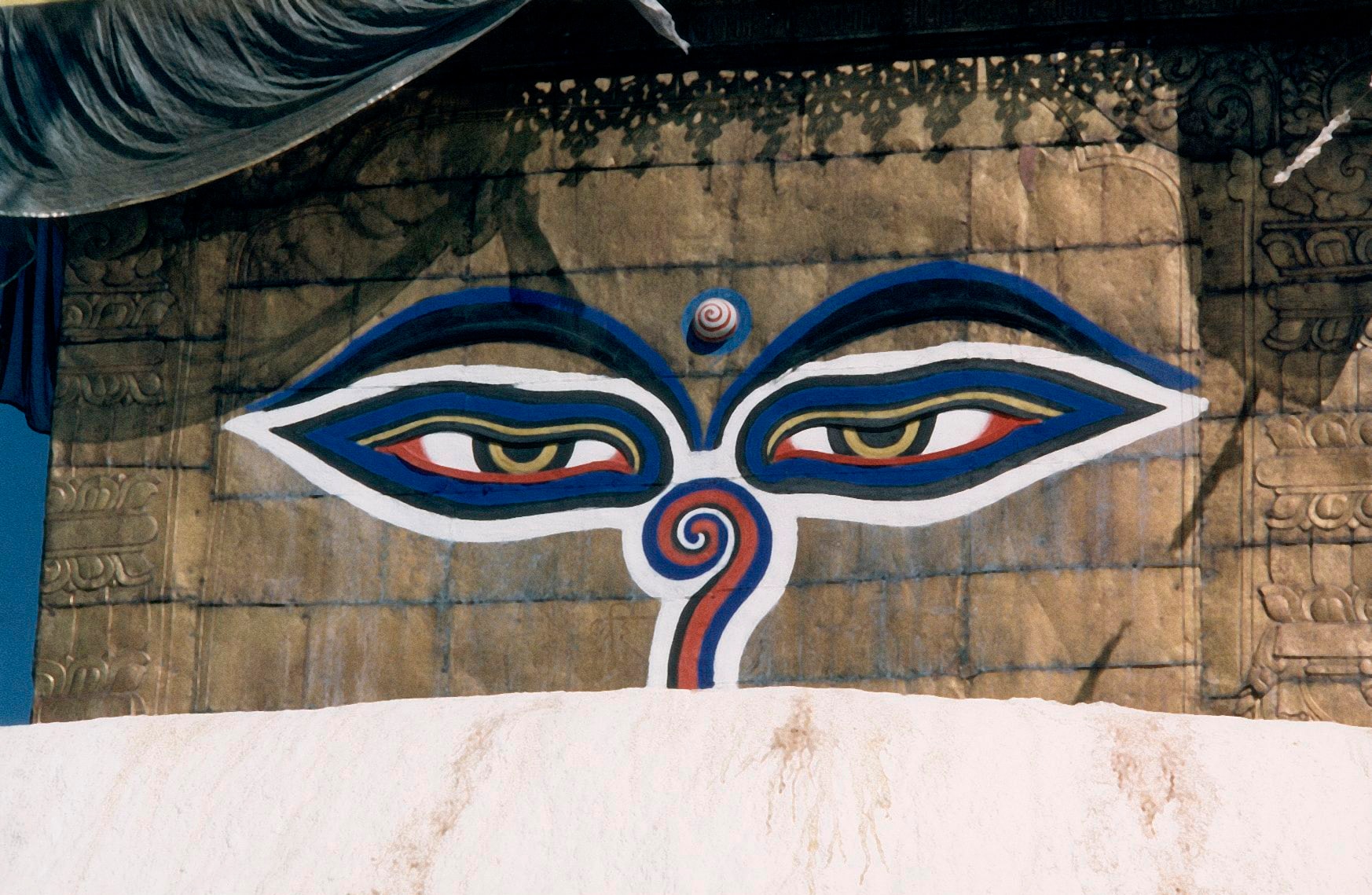
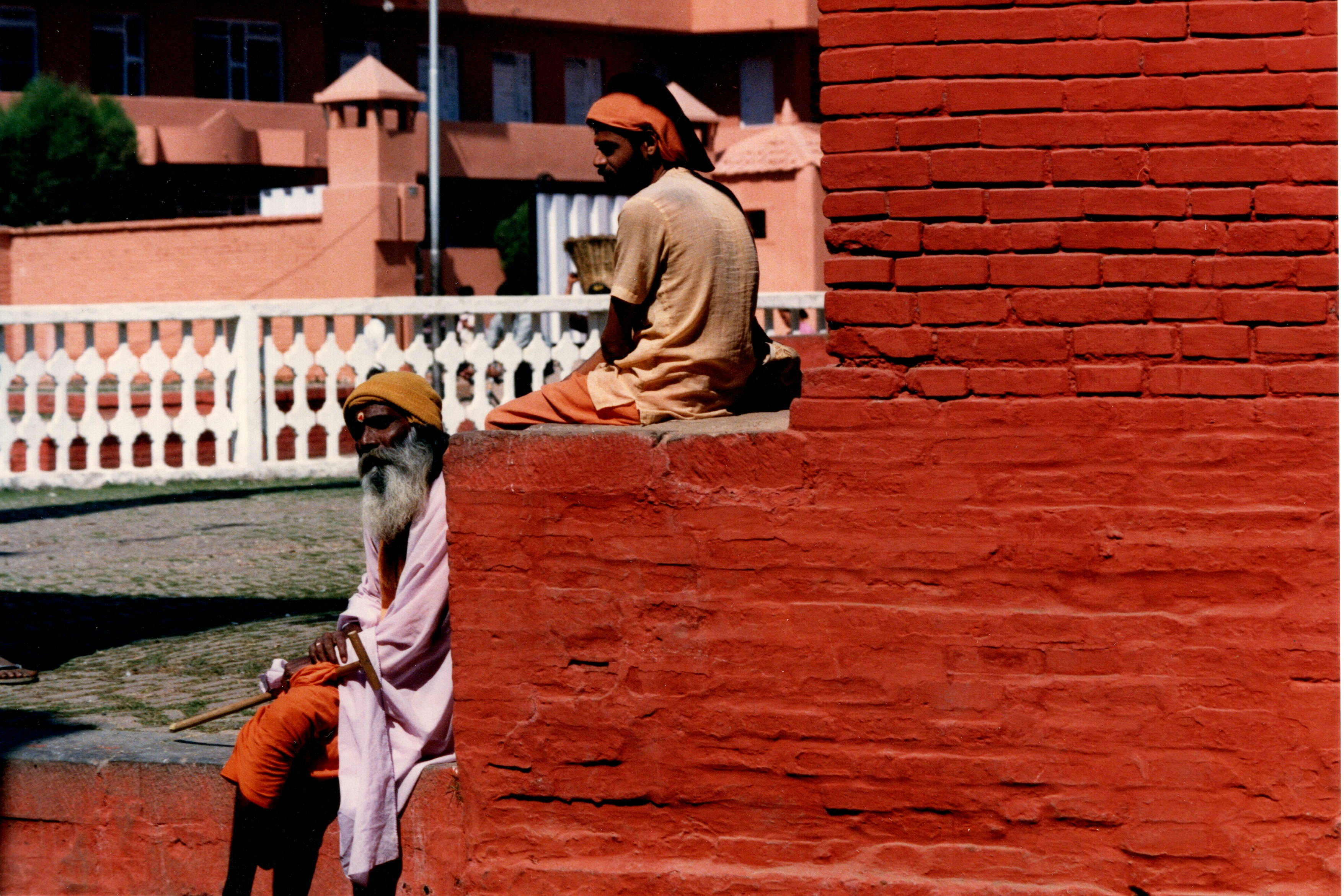
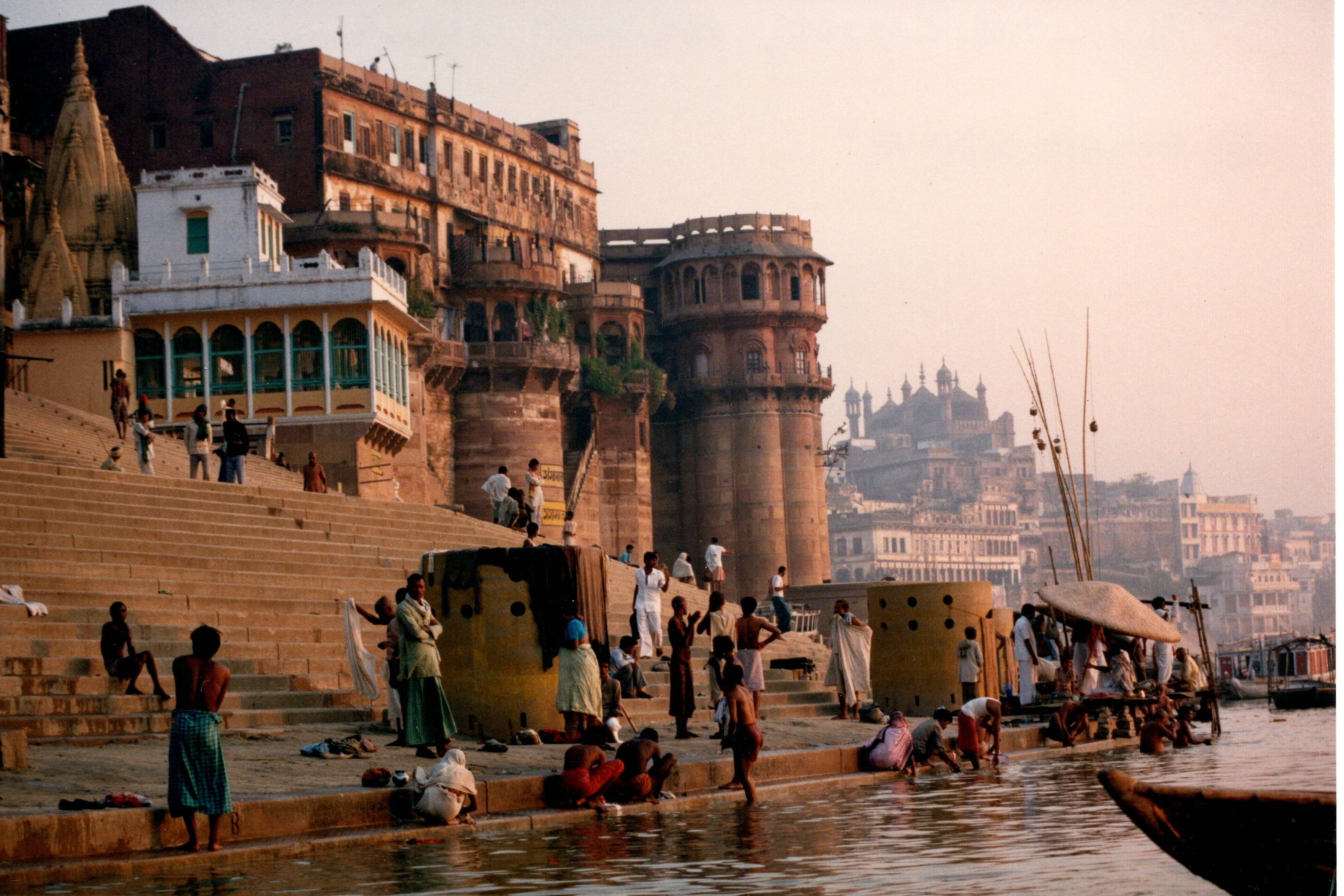
The last leg of my journey was to India’s holy sites of Varanasi and Sarnath, a mysterious-mystical yet inviting world of ancient religious and spiritual history: the footprints and teachings of the Buddha; Hindu sadhus, ghats, and funeral pyres; a silent, sunrise boat ride on the Ganges; Muslim women in full-body Burqas walking the long, dusty road to town. The contrasts between beauty and austerity, riches and poverty, and the exquisite lineages of our shared humanity left me deeply quiet to the core.
A week later when I arrived back in the States, I couldn't leave my house for days. It took a phone call from a friend to coax me out. What I originally thought would be a simple pilgrimage touched me in ways I didn’t yet fully understand, but simple truths find us all and over time make themselves clear. Mine are unfolding still, but as it turns out, pilgrimage is life-long, so I continue to wander and ponder, remaining in awe of it all.