Sticks, Stones, and Bones
Basketry and Bone Weavings
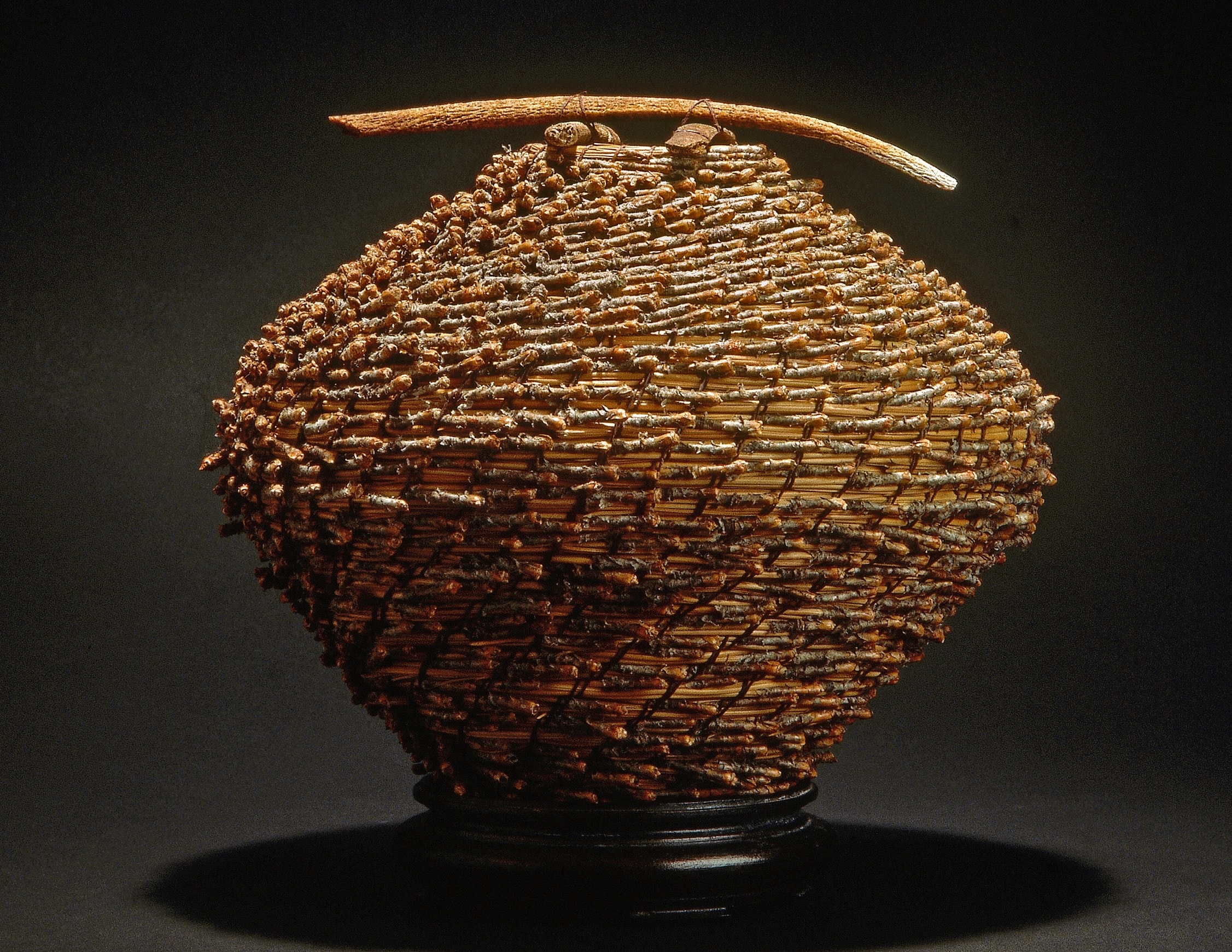
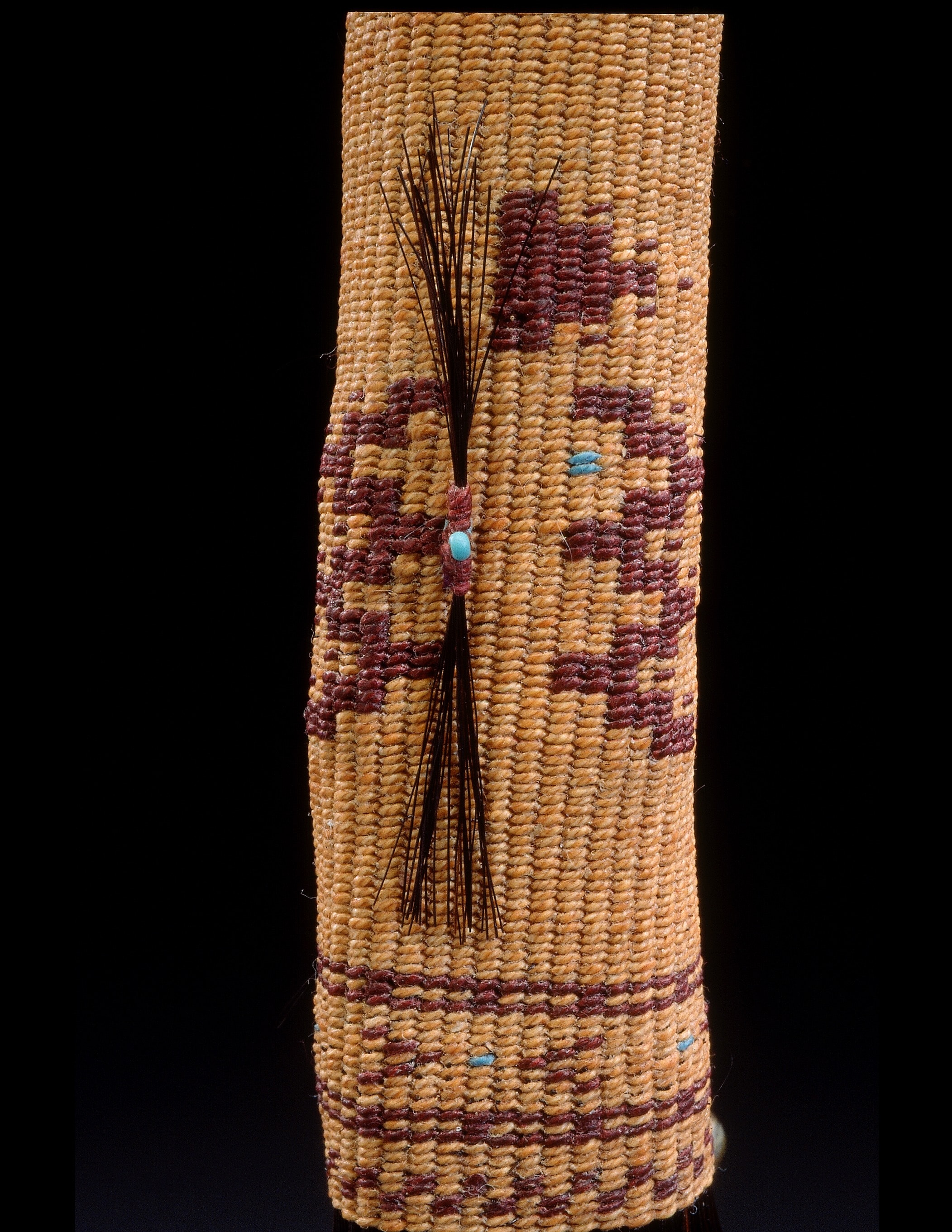
Hands. They touch, they shape, they commune with the world, and they let us know our bodies are home. They provide access to infinite worlds of creation and belonging, and they always have something to say. I have always loved working with my hands, from basketweaving to drawing to learning how to sign. I especially treasure my calling as a weaver, for it introduced me to the glorious natural world of Jackson Hole, Wyoming, that most wondrous place I called home for 18 years. Alas, I have since retired and moved away, but if I could circle back around again, I would know where to find the perfect willows. The Gallery Selections included here were all sold back in the day, so I have nothing for sale at this time, just some stories and memories to share. *** In the making of a basket, my process of creation began with contact with the materials. An image would come forth, but invariably it would shift into a tactile rhythm between textures and spirals as I followed the initial impulse into form. Each project was an initiation into the present moment, over and over, as I surrendered to what was in my hands. From the willow withes gathered in the dead of a snow-bound winter to the earth-stained bones found on a summer hike, the materials I worked with always had the final say. The selections here are a cross-section of my work. Whereas some pieces follow in the footsteps of traditional styles — Native American, Japanese, and British Isles — others emerged from a place of their own: those countless ventures into the woods and meadows, encountering the dwellers within, and discovering their elegant gifts of sticks, stones, and bones. *The sticks and weavers: Willow, dogwood, rushes, and pine needles found in the wild; long tapered leaves of Siberian and African iris and New Zealand flax harvested from backyard garden beds; hand-dyed strips of bamboo and cane; richly-hued waxed linen thread for knotting. *The stones: Weathered teeth, river stones, and trade beads from around the world. *The bones: Moss-covered shards from elk, deer, moose, and coyote found along forest trails and sagebrush flats. Knotting onto bone and twining earthy vessels were my primary methods. I always sought to weave together matter and spirit, to nourish the senses through texture, color, scent, and story. All art has a creation myth, does it not? Looking back I ask, Can weaving a simple basket open the door to another world? Maybe so. Does adorning an old bone please the ancestors? I hope so. At the very least, through these creations I discovered my kinship with the natural world and that which extends beyond, allowing the expression of a subtle voice.
The Bone People
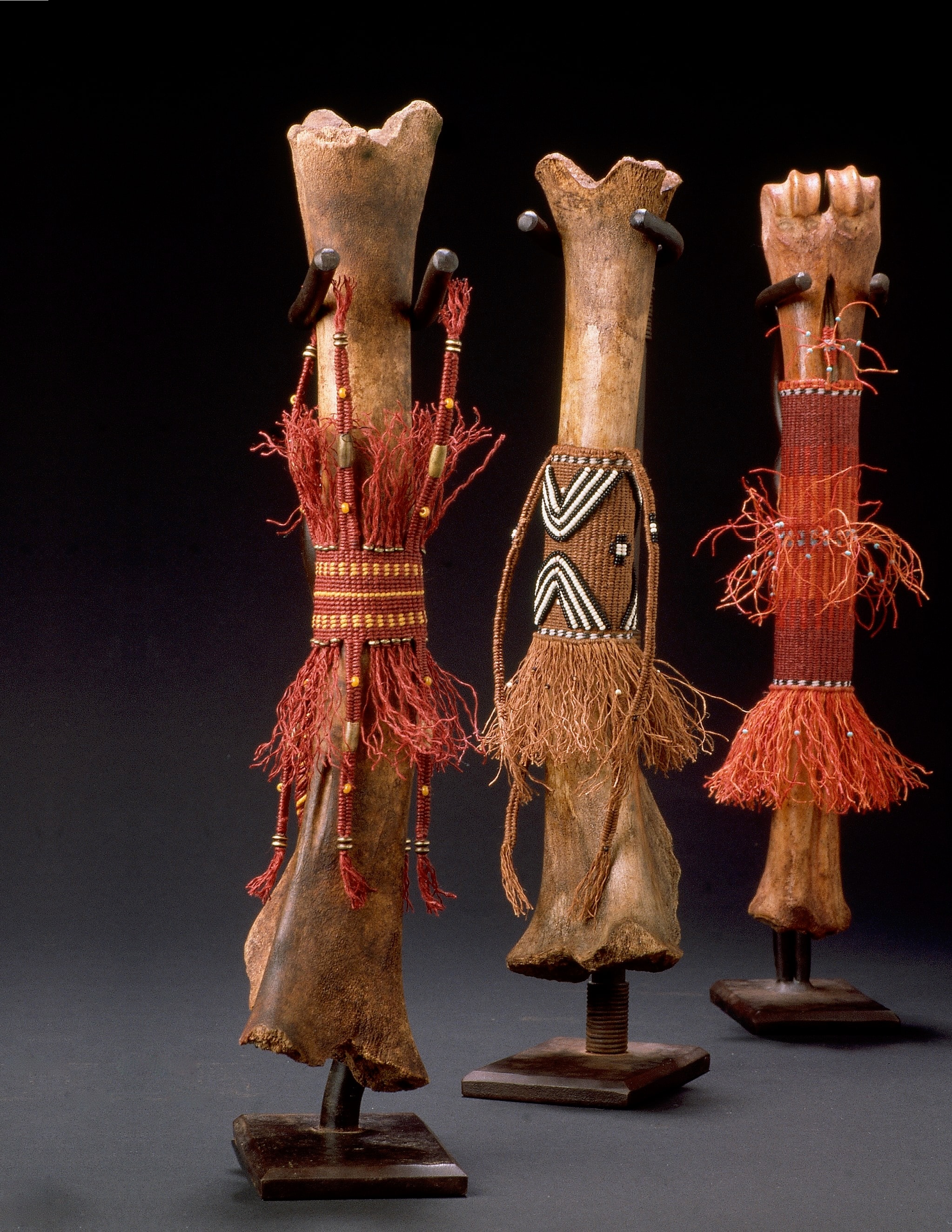
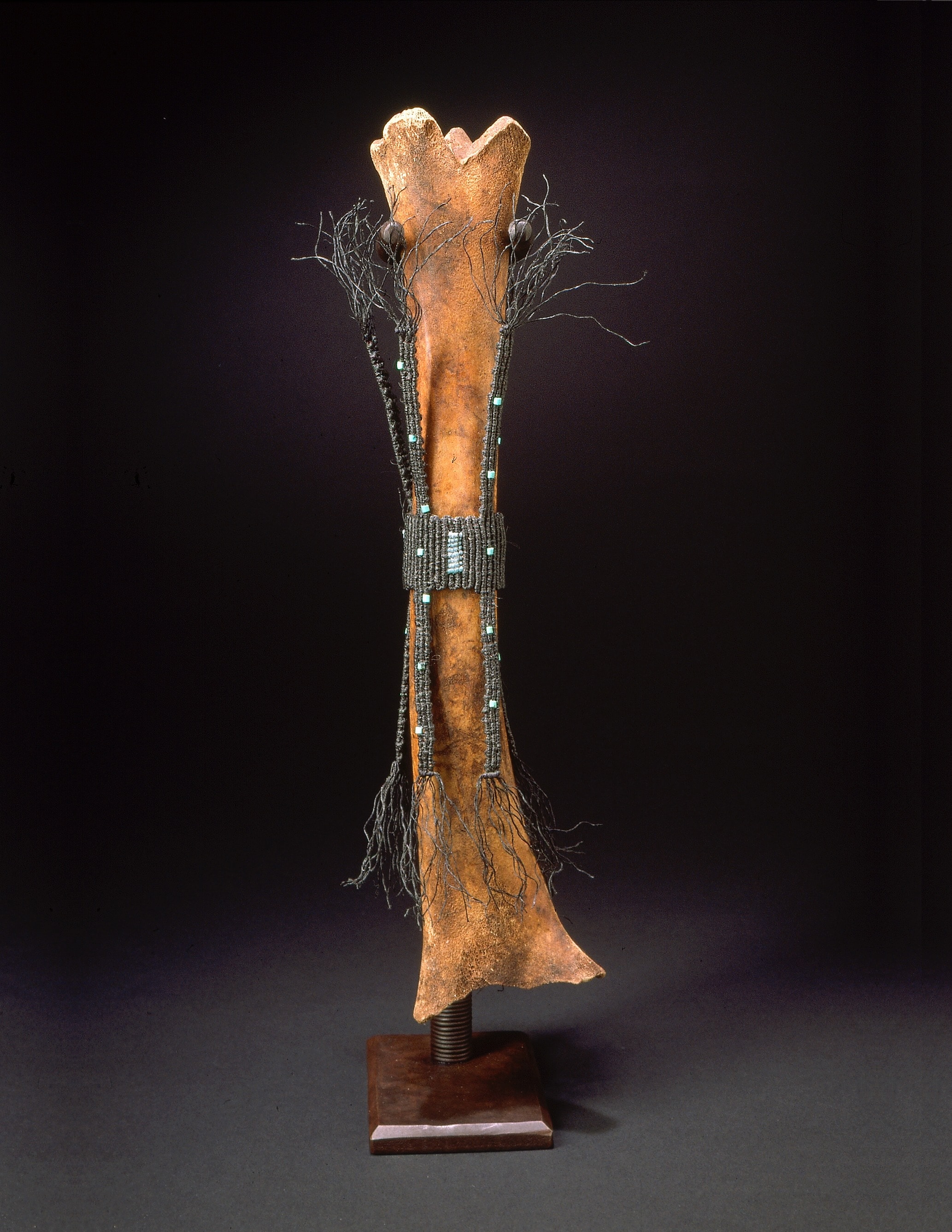
The Bone People belong to a tribe of beings who came into my life one by one as I sat at my workbench weaving together imagery, inspiration, and glorious findings from the forest floor. The bones in this series are from the magnificent elk who migrate through Jackson Hole.
As with all life forms and mythical folk, the Bone People have a story to tell. They are not inanimate objects. They do not want to be left alone. They want to dance. To shift a mood. To bring to light another perspective. They express simplicity over complexity, mystery over practicality, energy beyond form.
Their workbench genesis was a detailed process. The bones were found then cleaned, buffed, polished, stained, oiled, and drilled. The threads and colors were chosen then knotted, twined, braided, beaded, and frayed. A robe design came forth, the imagery from my wanderings and dreams. Additional materials may have included leather, beeswax, horsehair, bells, and teeth. The wrought iron stands were sketched, forged, hammered, fitted, stained, and waxed.
The Bone People belong to a tribe of beings who came into my life one by one as I sat at my workbench weaving together imagery, inspiration, and glorious findings from the forest floor. The bones in this series are from the magnificent elk who migrate through Jackson Hole.
As with all life forms and mythical folk, the Bone People have a story to tell. They are not inanimate objects. They do not want to be left alone. They want to dance. To shift a mood. To bring to light another perspective. They express simplicity over complexity, mystery over practicality, energy beyond form.
Their workbench genesis was a detailed process. The bones were found then cleaned, buffed, polished, stained, oiled, and drilled. The threads and colors were chosen then knotted, twined, braided, beaded, and frayed. A robe design came forth, the imagery from my wanderings and dreams. Additional materials may have included leather, beeswax, horsehair, bells, and teeth. The wrought iron stands were sketched, forged, hammered, fitted, stained, and waxed.
Individually each piece evokes a persona, a culture, and something beyond. Collectively they arise from a spirit source where we all belong.
The Three Magi
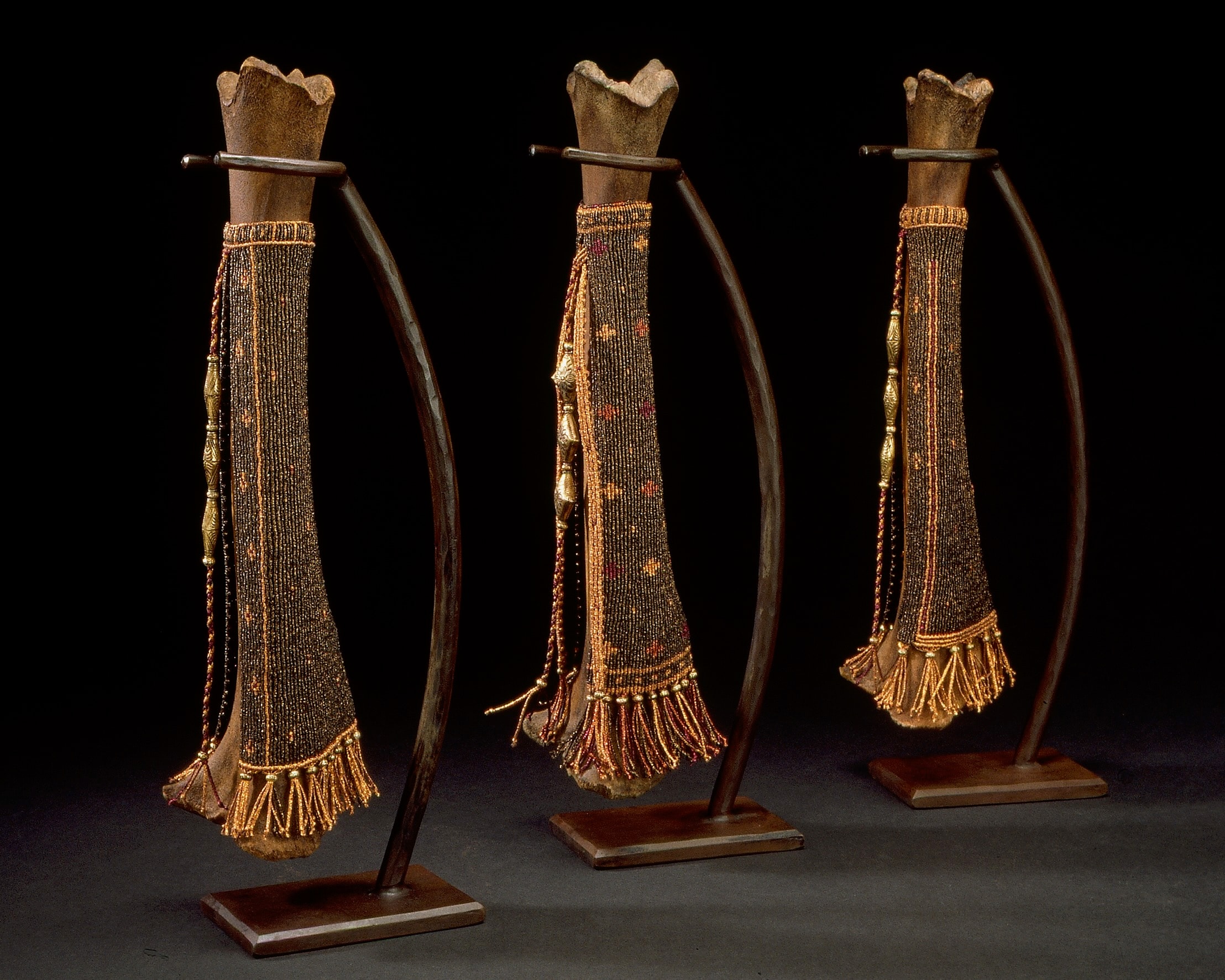
Gaspar, Melchior, Balthasar: The Three Wise Men. The Magi. Pilgrims. Bearers of gifts to honor the divine. Devotional beings who carry hope and faith, revered across cultures and time through religious tradition, legend, and art.
Gaspar, Melchior, Balthasar: The Three Wise Men. The Magi. Pilgrims. Bearers of gifts to honor the divine. Devotional beings who carry hope and faith, revered across cultures and time through religious tradition, legend, and art.
Gaspar, Melchior, Balthasar: The Three Wise Men. The Magi. Pilgrims. Bearers of gifts to honor the divine. Devotional beings who carry hope and faith, revered across cultures and time through religious tradition, legend, and art.
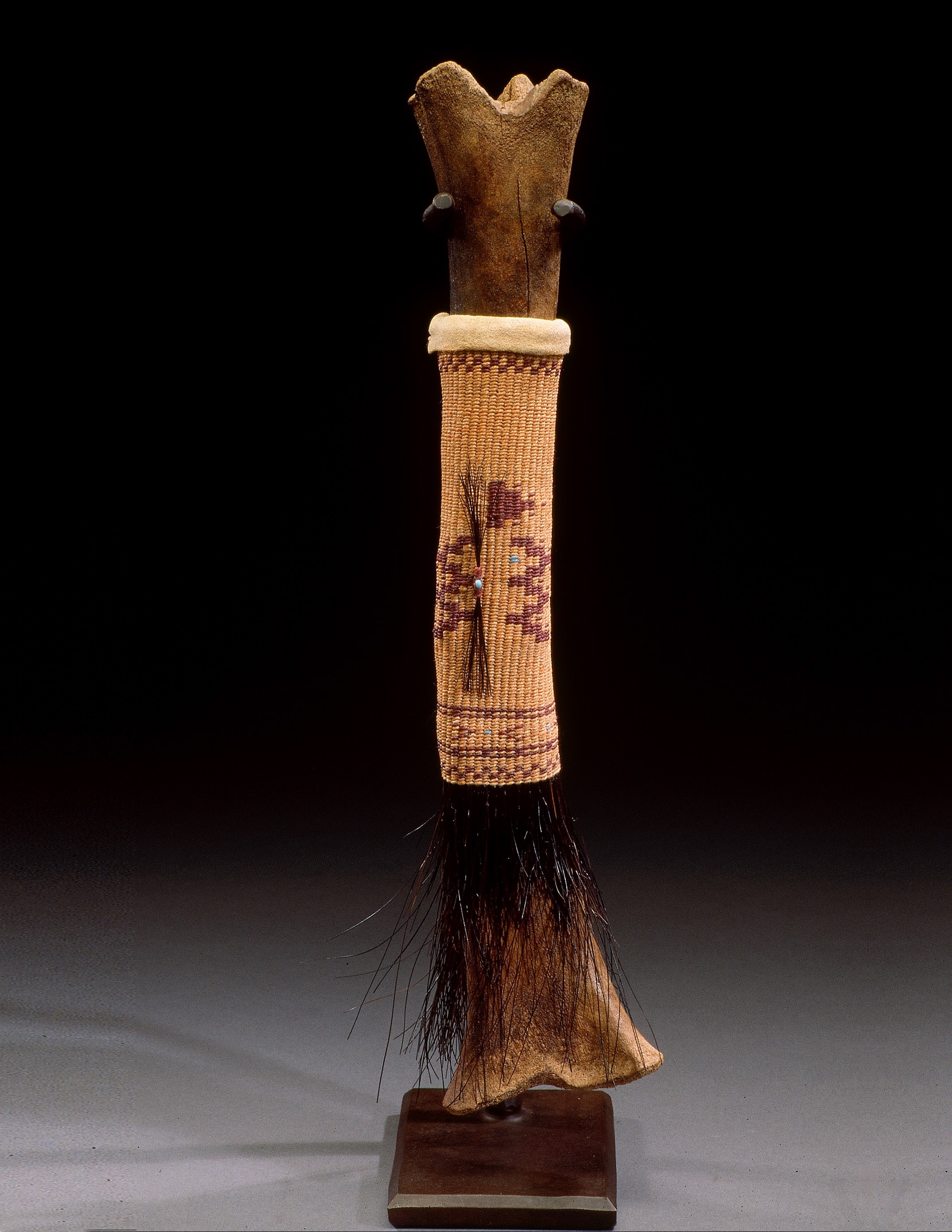
As with the other pieces in the Bone People collection, The Three Magi presented here were crafted from bones found along the elk migration corridor leading in and out of Jackson Hole. I hiked and snowshoed those travelways year-round, always on the lookout for such treasures. Perhaps they were from older animals no longer able to survive the winter trip or who became prey for a mountain lion, grizzly, or wolves.
I selected these three bones for their weathered patina and character. I hand-polished each one until it was just so and familiar to my hands, and then I began, first with a drill then with a tapestry needle to create the loom. Using a knotted technique, I started weaving at the neck and worked my way downward. There are approximately 11,000 double knots in each garment and an average of 150 yards of antiqued metallic thread. The beads are goldplate over silver, made by the Hill Tribe people of Thailand. Each piece took approximately 100 hours to complete. The wrought iron stands were individually crafted by a local metalsmith to fit the neck and height of each bone.
Weaving and knotting onto bones was my passion over the years. Their graceful curves and edges showed me how to proceed as I worked. I loved the feel of them in my hands, knowing that I was in touch with animal spirits who have forever inhabited the wilds of the Grand Tetons and Yellowstone ecosystems. In this form of The Three Magi, they embody pilgrimage, the graceful quest for truth and that which is sacred in one’s own heart and soul.
A Choir of Angels
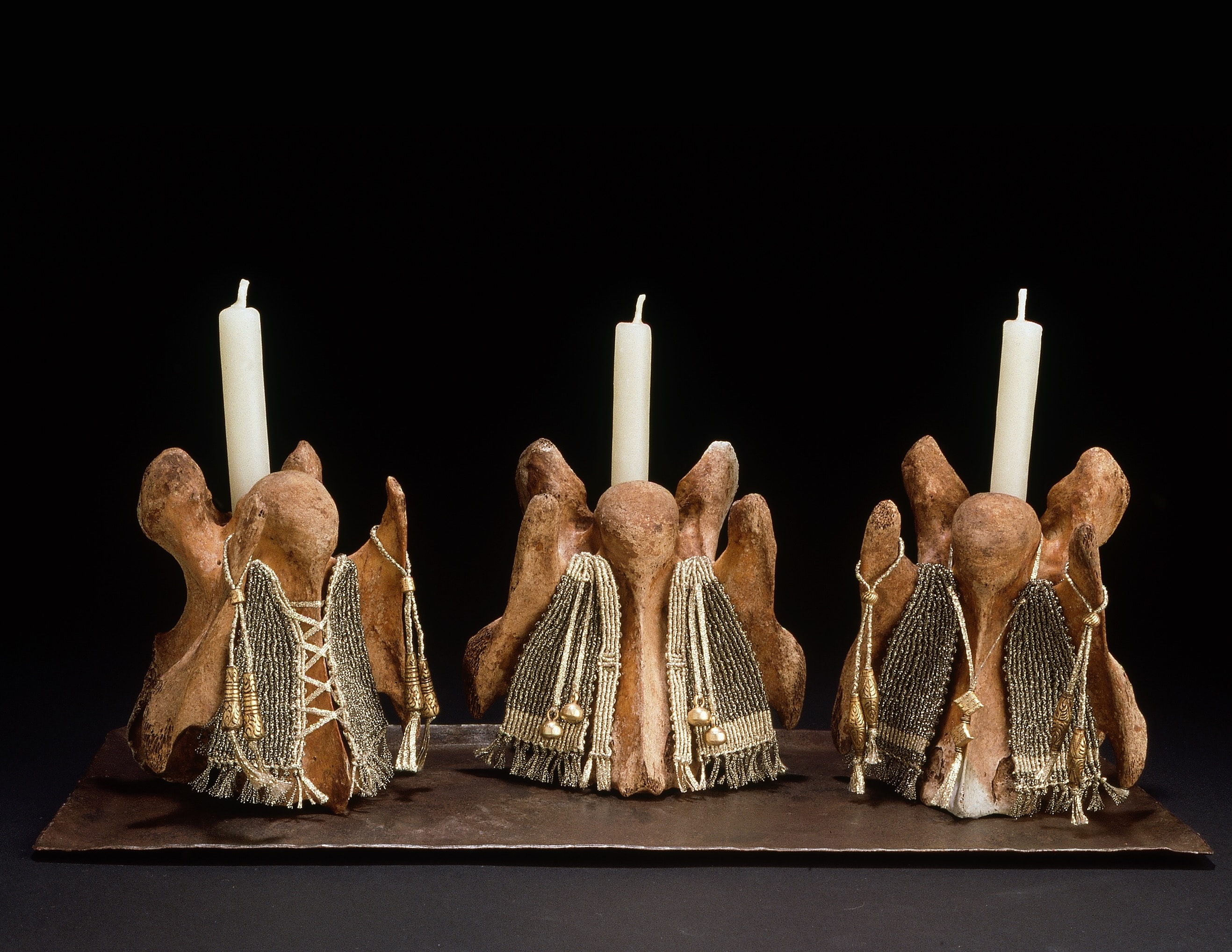
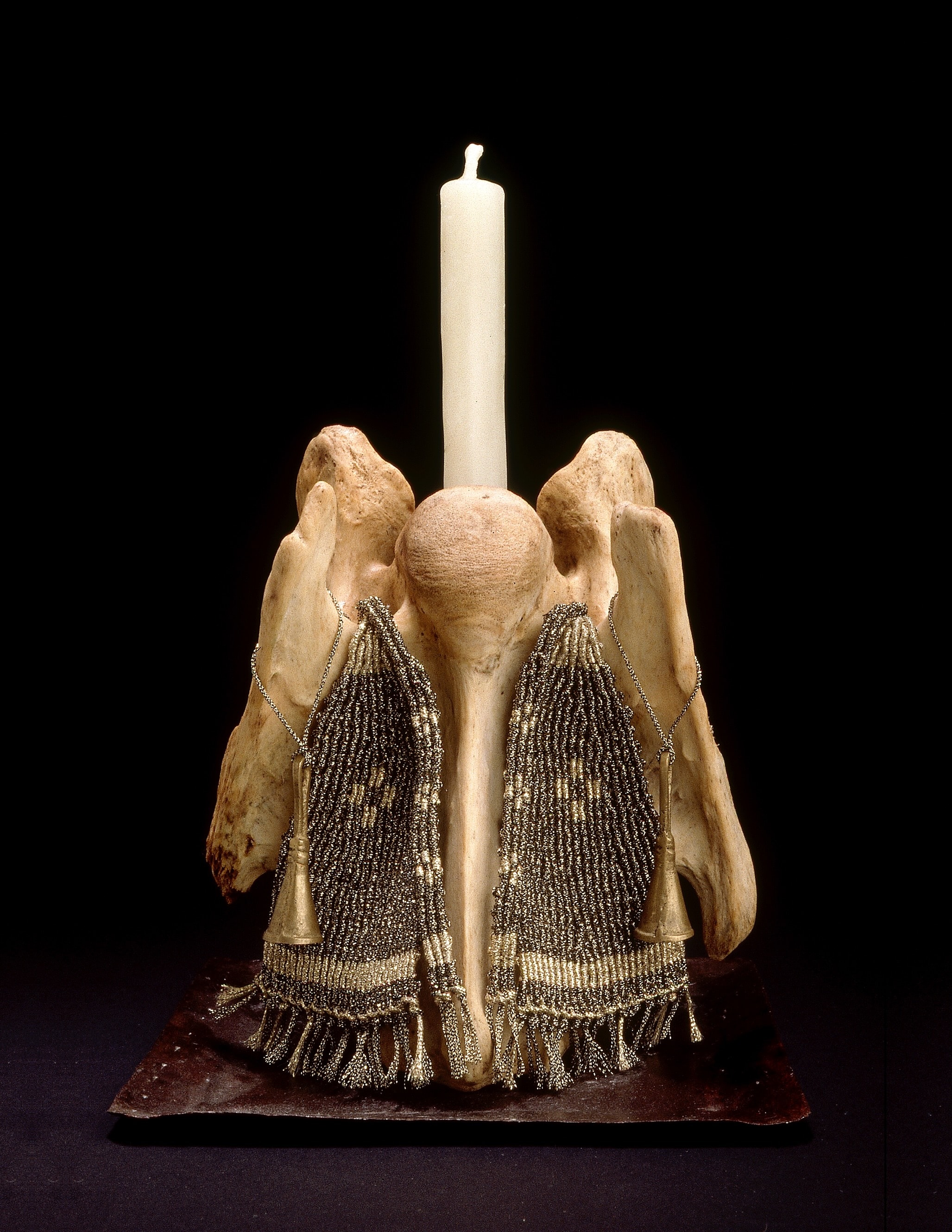
These one-of-a-kind pieces are made from weathered moose vertebrae found high in the Fall Creek drainage of Jackson Hole. By their tanned, rough appearance, I imagine they were in the elements for many years. Ten? Twenty? Perhaps even more. Only the cycle of the seasons, with blankets of snow, pine needles, dirt, and time can produce such a lovely color. I visited this particular moose skeleton, a female (one can tell by the skull), every summer for seven years, each time selecting a few treasured bones to incorporate into my baskets and weavings. I would always leave offerings of nuts and fruit to her spirit and to the current forest dwellers who also called that place home. The choir robes for these angels were made from antiqued metallic thread, using a double-knot technique. I first secured the loose thread to the vertebrae, as if on a loom, then knotted directly onto the piece, which allowed me to follow the curves and shape of the individual bone. Knotting is a slow process and consumes thread quickly, in this case between 20-25 yards for each angel. The gold-plated silver beads are from Thailand, made by the Hill Tribe crafts people. A metalsmith custom-fitted each angel with its own little candle pot that sits snugly at the back within the vertebral opening. The candles are hand-dipped pure beeswax, made by a beekeeper artisan in Montana. Like the Bone People and Three Magi weavings, A Choir of Angels comes alive when held in a certain light or by a certain lightness of being. Celestial beings, especially at certain times of the year, delight in the magic of belief. Maybe, when we light the candles, they’ll even sing.